A Practical Small Business Guide for Getting Your Taxes in Order
Running a small business comes with enough challenges: managing clients, juggling operations, and making sure cash flow stays healthy. But as tax season approaches, one area you cannot afford to overlook is organizing your financials.
The more orderly and accurate your records are, the easier it becomes to file your taxes, claim the deductions you're entitled to, and avoid costly mistakes.
The good news? A little preparation goes a long way. This guide breaks down the essential steps for getting your business taxes in order, and how the right professional support can make the process stress‑free.
Start With Clean and Organized Financial Records
Before anything else, you need a complete and organized financial picture of the year. This means compiling any pertinent financial records to shed light on your finances.
- Income statements
- Expense reports
- Bank statements
- Receipts (digital or physical)
- Payroll reports
- Loan documents
- Credit card statements
Keeping accurate and organized records helps you stay on top of your finances and makes tax preparation more manageable.
If your bookkeeping has fallen behind, don't panic. Many business owners come to us with numerous transactions that need sorting.
The important thing is to gather everything in one place and start categorizing. Whether you're using accounting software or spreadsheets, consistency is key.
Don't Mix Personal and Business Finances
One of the most common (and expensive) mistakes small business owners make is mixing personal and business finances. It leads to confusion, inaccurate deductions, and major headaches during tax season.
As we noted in a previous blog about separating finances, opening a separate business bank account is one of the first steps toward clean financial management. It allows you to track income and expenses accurately and prevents your tax preparation from becoming a forensic investigation.
If you're still using personal accounts for business purchases, make this the year you separate them once and for all. You'll thank yourself later.

Make Sure Your Expense Categories Are Correct
Even if your books are up to date, miscategorized expenses can lead to inaccurate tax filings and missed deductions. Be sure the major categories clearly distinguish between purchase types.
- Office supplies
- Travel and mileage
- Equipment purchases
- Professional services
- Payroll
- Utilities
- Software subscriptions
Accurate categorization gives you a clear picture of your financial health and ensures you're deducting everything allowable.
If you're unsure where a particular expense belongs, this is a perfect time to consult your accountant. Correct categorization now will save hours of corrections later.
Gather Supporting Documentation for Major Deductions
As a business owner, you may be (and almost certainly are) eligible for several deductions related to your business operations.
- Home office expenses
- Vehicle mileage
- Equipment depreciation
- Continuing education
- Retirement contributions
However, deductions are only as substantial as the documentation behind them. Keep receipts, mileage logs, and any related paperwork organized and easily accessible. This protects you if the IRS ever has questions and ensures you can claim legitimate tax benefits without worry.
Don't Wait Until the Last Minute
Tax preparation takes time, especially if your finances need cleanup. Procrastinating can introduce unnecessary stress and increase the chance of errors.
Small businesses often need to manage quarterly estimated tax payments, payroll tax filings, and year‑end reporting requirements. Missing deadlines can result in penalties and interest charges.
The earlier you begin pulling everything together, the smoother the process will be.
Know What Type of Tax Return Your Business Needs to File
Your business structure (sole proprietorship, LLC, S‑Corp, or partnership) determines which forms you must file and how your income is reported.
- Sole proprietors typically file a Schedule C along with Form 1040
- LLCs may file as disregarded entities, partnerships, or corporations
- Corporations file Form 1120 or 1120‑S, depending on type
Understanding these requirements prevents surprises and ensures you're meeting federal, state, and local obligations.
Work With the Right Professional
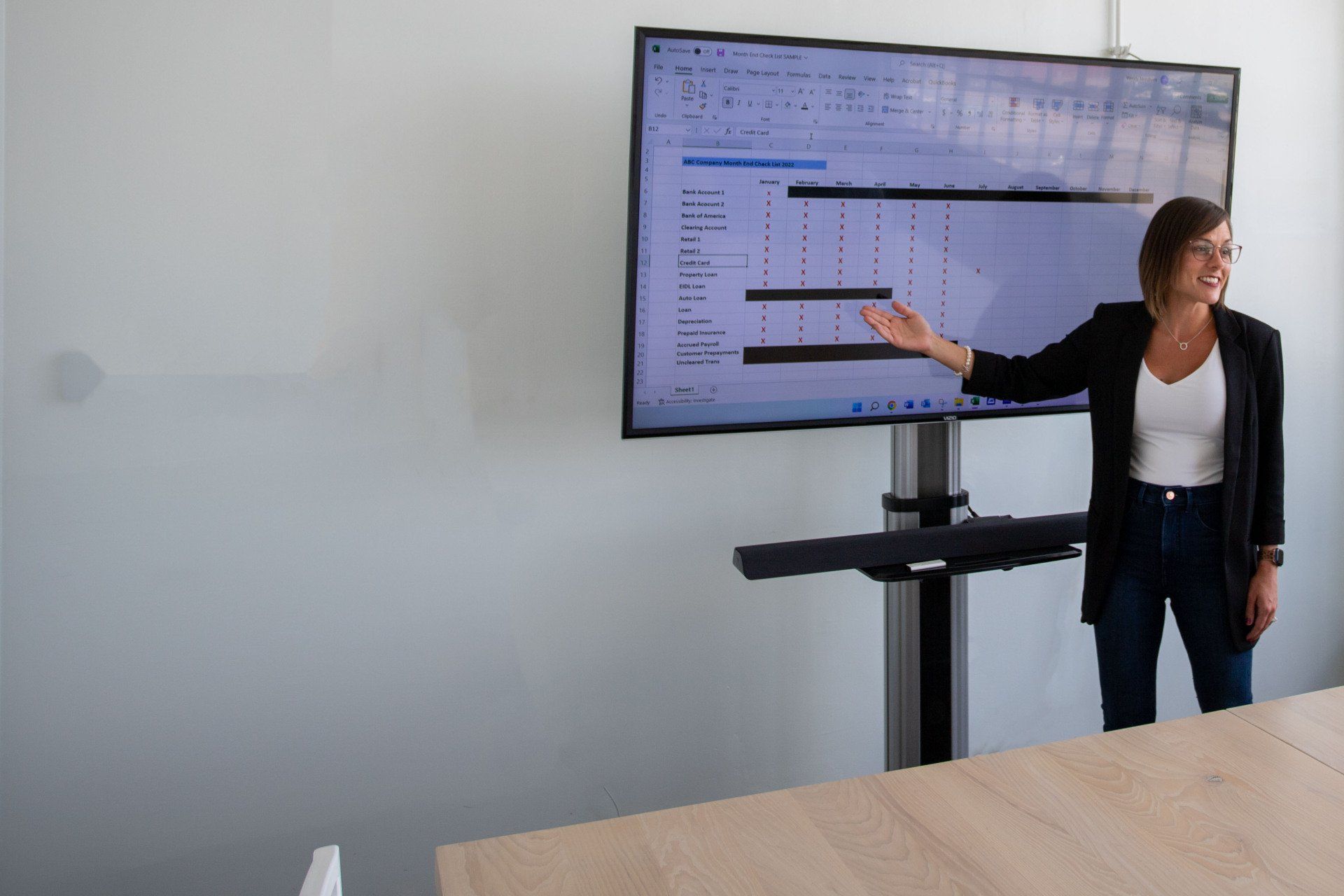
The tax code is complex, and it changes often. Working with a trusted accountant can save you significant time, money, and stress.
Professional accounting teams help business owners see the whole picture, while allowing them to offload the stress of managing the actual process.
- Help you understand their tax obligations
- Keep accurate records
- Identify deductions they might otherwise miss
- Avoid common tax pitfalls
- Stay compliant with both federal and state requirements
More importantly, you get peace of mind knowing your financials are handled correctly. With the proper guidance, you're building a stronger financial foundation for the future.
Treat Tax Organization as a Year‑Round Habit
Finally, remember that taxes aren't a once‑a‑year scramble. The most successful business owners adopt year‑round financial habits.
- Monthly reconciliation
- Regular expense tracking
- Quarterly tax planning
- Reviewing cash flow
- Updating documentation and receipts as they go
Small daily and weekly habits make tax season dramatically easier, and give you more control over your financial health.
Work With N.E.W. Accounting
Getting your business taxes in order doesn't need to feel overwhelming. With organized records, clean separation between personal and business finances, the right documentation, and professional guidance, tax season can be smooth, predictable, and entirely manageable.
When you have an expert team in your corner, you can focus more on running your business and less on wrestling with paperwork.
If you're ready to take the stress out of tax preparation this year, N.E.W. Accounting is here to help.
Let's get your financials in order so your business can move confidently into the next season.
Contact us today to get started!